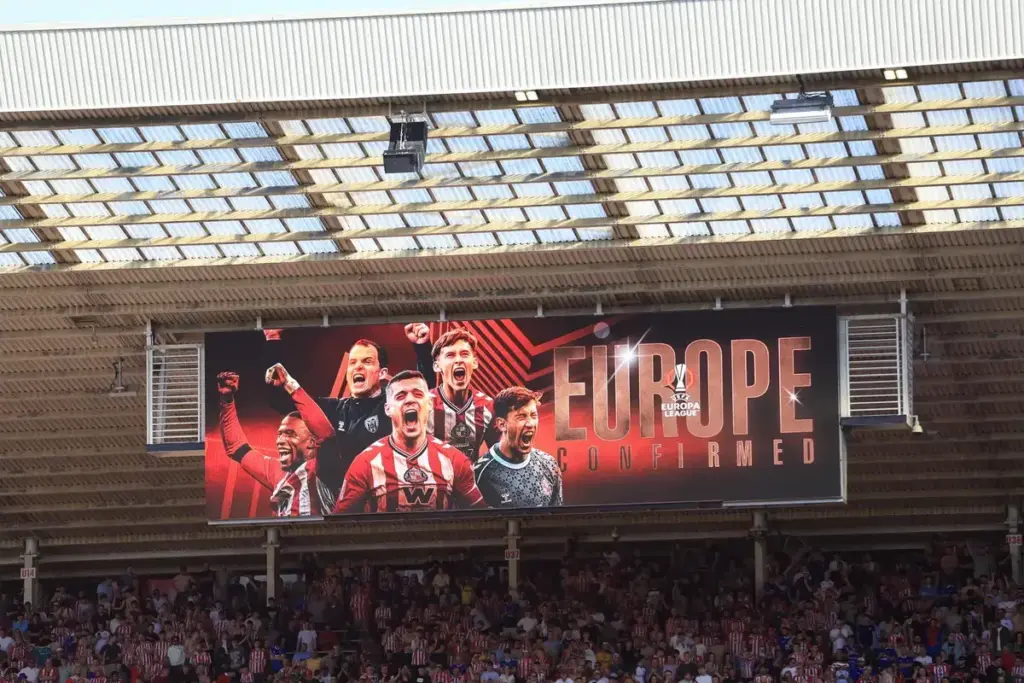

A Historic European Night 52 Years in the Making for the Mackems.
Sunderland’s return to continental competition finally arrived, and it did not disappoint.
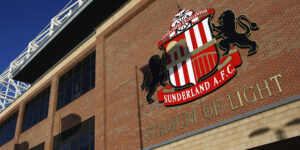
Fifty-two years after the club last played a European fixture, the Stadium of Light witnessed a result that will be remembered long after this season ends.
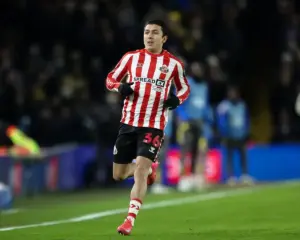
Enzo Le Fee scored the winning goal, sending the home crowd into raptures and giving Regis Le Bris’ side the perfect start to their historic European return.
In the process, the Frenchman secured a notable footnote for himself in the club’s history.
For a fanbase that has waited half a century for nights like this, the occasion carried weight beyond the three points.
Older supporters had only read about Sunderland’s previous European adventures in club histories. Younger fans had never experienced anything like it at all. Beating AZ Alkmaar on home soil gave everyone inside the ground a shared memory to hold onto.
The result also mattered in pure footballing terms. AZ Alkmaar arrived with a reputation for tidy, possession-based football, and Sunderland were not expected to have things entirely their own way.
Le Bris’ side had to work for the victory, weathering early pressure before finding the moment that settled the contest.
There was also a symbolic quality to the timing. Sunderland’s long absence from Europe has become a familiar reference point whenever the club’s history is discussed, and finally adding a new chapter to that story gives supporters something tangible to point to rather than simply looking back.
The wait itself has become part of the club’s identity, which only made the celebrations at full time feel more deserved.
How Regis Le Bris Built a Resilient Defensive Platform
Much of the credit for the win belongs to the defensive foundation Le Bris has established since taking charge.
Against AZ Alkmaar, that foundation was tested early and held firm. Goalkeeper Robin Roefs produced a crucial save to deny Max Meerdink in the opening stages, a moment that could easily have set the tone in the visitors’ favour had it gone the other way.
Instead, Roefs’ intervention allowed Sunderland to settle into their rhythm. At the back, the centre-back pairing of Nordi Mukiele and Kevin Danso gave the side the composure it needed against a technically capable opponent.
Both defenders featured throughout as Le Bris’ team ground out the points that mattered most.
The manager’s approach has consistently prioritised structure over improvisation, and that discipline showed against Alkmaar.
Sunderland did not need to chase the game or take unnecessary risks at the back, because the platform in front of Roefs did its job.
Supporters wanting a closer look at how Le Bris set his team up for the visit of the Dutch side can revisit our breakdown of the tactical setup against AZ Alkmaar.
That defensive solidity is not a one-off. It has been a recurring theme this season, and it gave Sunderland the platform to be patient until a decisive opportunity presented itself further up the pitch.
Against a side with the passing quality of AZ Alkmaar, that patience was arguably as important as any individual moment of skill.
It is also worth noting how the back line and goalkeeper worked as a unit rather than in isolation. Roefs’ save came from a position that only holds up when the defenders in front of him restrict the space around the box, and Mukiele and Danso’s positioning throughout suggested a partnership that already understands its roles under Le Bris.
Analyzing Enzo Le Fee’s Winning Penalty and Midfield Control
If the defence provided the platform, Enzo Le Fee provided the moment of quality that separated the two sides.
The Frenchman won the penalty that ultimately decided the match, showing the kind of composure in the final third that Sunderland have often lacked in tight European-style contests.
He then stepped up himself and converted it, taking the responsibility rather than passing it elsewhere.
That willingness to take control at the biggest moment says as much about Le Fee’s growing importance to this side as the goal itself.
Midfielders who can influence a game in both build-up and in front of goal are rare, and Le Fee has increasingly looked like exactly that kind of player during his time at the club.
His performance also reflected the broader midfield control Sunderland managed to exert for large spells of the contest.
Rather than being overrun by an AZ Alkmaar side known for its passing tempo, Le Fee and his midfield colleagues found a way to dictate the pace of the game when it mattered.
For a more detailed look at how individual performances stacked up across the pitch, the Chronicle Live player ratings offer further analysis of the display.
Winning and converting a decisive penalty on a night of this magnitude is not something every player embraces.
Le Fee did, and Sunderland were the beneficiaries. It is the kind of contribution that tends to define a player’s reputation at a club, and doing it on a night with this much history attached only adds to its significance.
What Victory Over AZ Alkmaar Means for Sunderland’s Season
Three points on the opening night of European football is a strong platform, though Le Bris and his players will know there is a long way to go before any wider conclusions can be drawn about the campaign.
What this result does confirm is that Sunderland have the defensive organisation and the individual quality to compete at this level.
The victory also arrives with reassuring context about squad depth. Sunderland strengthened their options on deadline day by signing Malick Fofana from Lyon, adding another attacking body to a squad now being asked to manage both domestic and European commitments.
Fixture congestion is an unavoidable part of continental competition, and having options like Fofana available gives Le Bris genuine flexibility as the schedule intensifies.
That kind of depth matters more than it might have a few seasons ago, when Sunderland were not balancing multiple competitions at once.
Every additional body in the squad reduces the risk of key players being overplayed, and Fofana’s arrival gives the manager another attacking option to call upon as fixtures pile up across autumn and winter.
Nights like this one are rare for this club, and rarity is precisely what makes them worth savouring.
Fifty-two years is a long time to wait, and one victory does not undo that history on its own. But it does show what this Sunderland side is capable of when the defence holds, the goalkeeper delivers when called upon, and a player like Le Fee is willing to take the biggest moment of the night into his own hands.
The question now is whether Sunderland can build on this foundation as the European campaign continues.
Based on what was shown against AZ Alkmaar, there is reason for cautious optimism among supporters who have waited a long time for European football to return to Wearside.
That feeling will continue into the next Europa League game, when the Lads travel to Portugal to take on Torreense on October 15.

Comments.
Loading comments…